
Evolvement LLC logo

API Management

Azure API Management connects APIs and source systems across your architecture so automations can securely retrieve the specific data needed for historical dashboards, decision tables, ML Studio predictions, persistent learning, alerts, and enterprise reporting.

What We Build

  • Azure API Management gateways that securely connect to source-system APIs across your architecture.
  • API products, subscriptions, revisions, versioning, policies, and developer portals for controlled access to operational data.
  • Authentication, authorization, rate limiting, throttling, CORS, transformation, caching, and request/response policies.
  • API layers that feed automations, Azure SQL, Power BI dashboards, decision tables, ML Studio predictions, and persistent learning stores.
  • Monitoring and diagnostic patterns using Azure Monitor, Log Analytics, dashboards, and alerts.

Example Use Cases

  • Retrieve specific source-system records through secure APIs for historical dashboard reporting.
  • Use API calls inside automations to collect operational data on schedules, triggers, or event-based workflows.
  • Feed decision tables with current source data, business rules, statuses, and reference values.
  • Send prepared data into ML Studio endpoints for prediction, scoring, and model-driven recommendations.
  • Persist API results into Azure SQL, Cosmos DB, PostgreSQL, or learning tables for future analysis.

API Management as the Architecture Connector

API Management becomes the controlled front door for data movement across the environment. Instead of every app, automation, model, and dashboard connecting differently to each source system, APIM provides a managed API layer that standardizes access, secures traffic, applies policy, monitors usage, and enables repeatable integrations.

  • Source APIs: APIM exposes approved source-system APIs through a governed gateway.
  • Automations: Power Automate, Logic Apps, Azure Functions, or scheduled jobs call APIM endpoints to retrieve the exact records needed.
  • Historical Dashboards: API results can be staged into Azure SQL, a lakehouse, or reporting tables for Power BI dashboards and apps.
  • Decision Tables: APIM can provide controlled source-system inputs that feed decision logic, routing rules, scoring rules, and operational status tables.
  • ML Studio Predictions: data retrieved through APIs can be prepared and sent to ML endpoints, then written back for dashboards, recommendations, and alerts.
  • Persistent Learning: API activity, model outputs, user feedback, outcomes, and historical results can be stored to improve recommendations over time.

Interactive Examples and Learning Area

This page is ready for future demos showing API calls, source-system integrations, OpenAPI definitions, policy examples, Power Automate calls, Azure SQL landing tables, ML scoring workflows, and Power BI reporting outputs.

The screenshots below show Azure API Management in use across the developer portal, API testing, products, policies, rate limiting, named values, and request tracing.

Developer Portal Homepage

Developer Portal Homepage

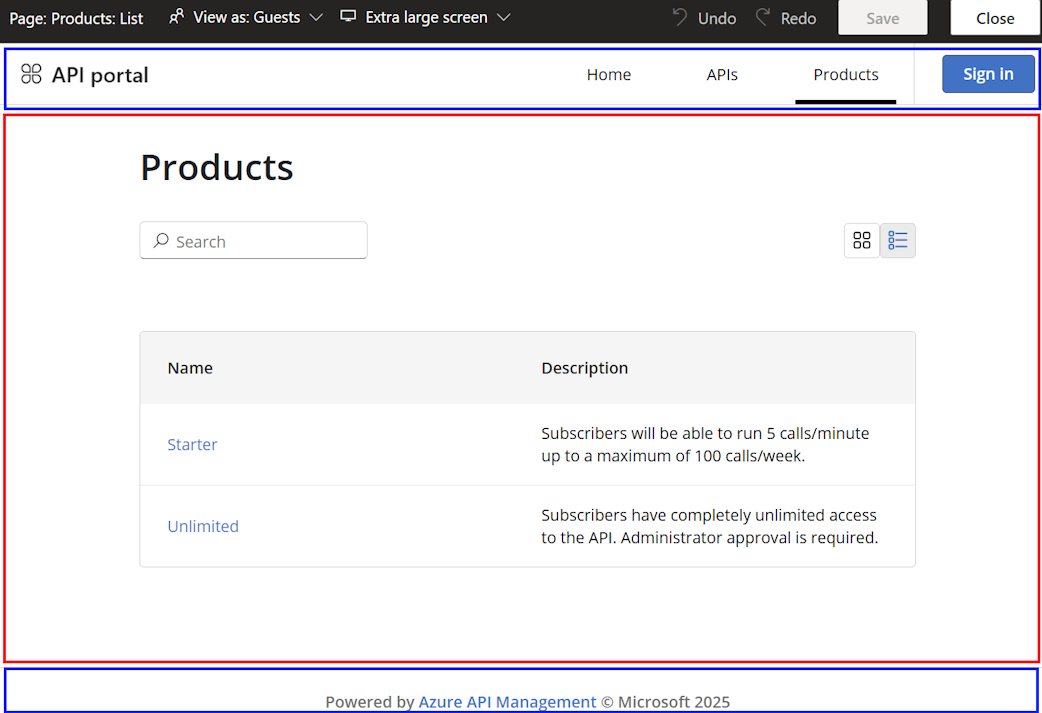
The APIM developer portal gives API consumers a branded place to discover, explore, test, and request access to APIs. Source
Developer Portal Pages and Layouts

Developer Portal Pages and Layouts

Pages and layouts show how APIM can publish organized API documentation, portal sections, and user-facing API experiences. Source
Try-It API Test Console

Try-It API Test Console

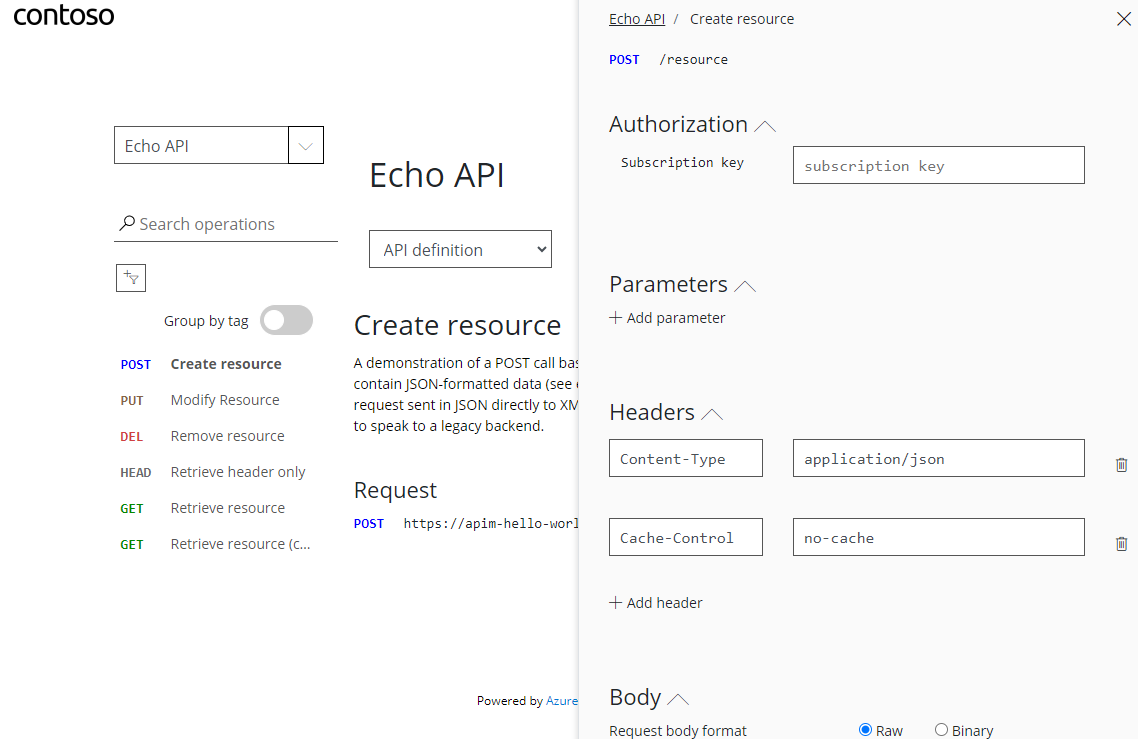
The built-in test console allows API consumers to test operations directly through the developer portal. Source
Published API Products

Published API Products

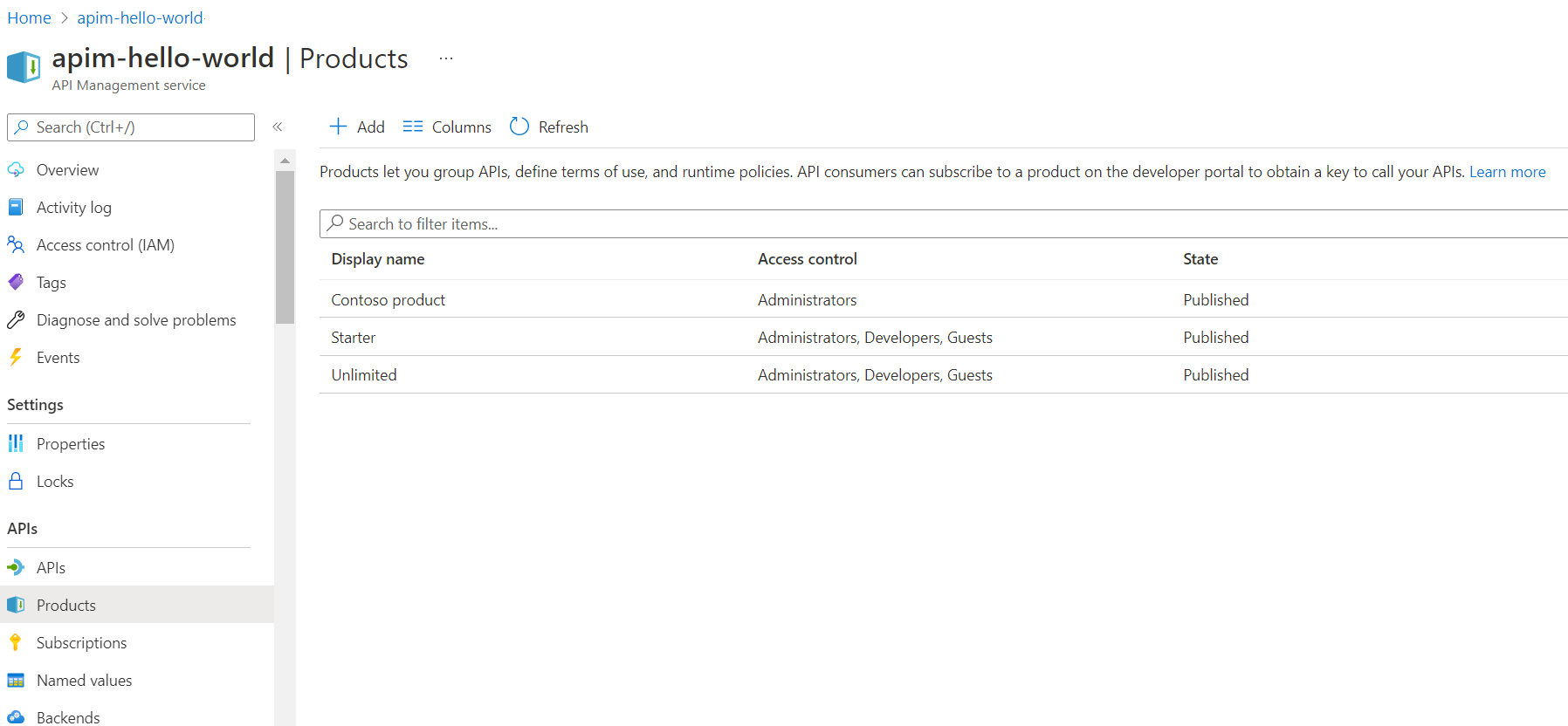
Products organize APIs, usage quotas, subscriptions, approval requirements, and access tiers. Source
Add Product in Azure Portal

Add Product in Azure Portal

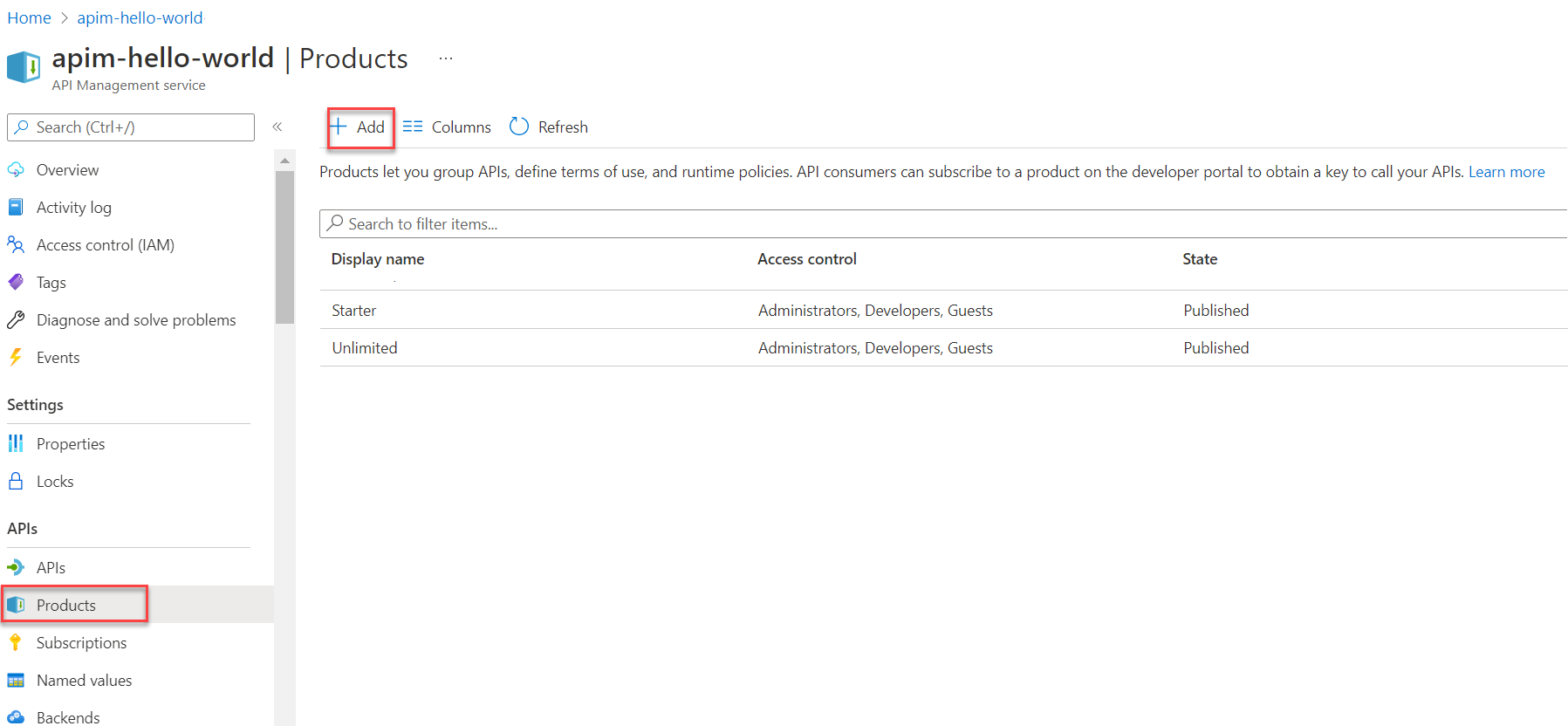
APIM products can be created in the Azure portal and used to bundle APIs for specific audiences or solution areas. Source
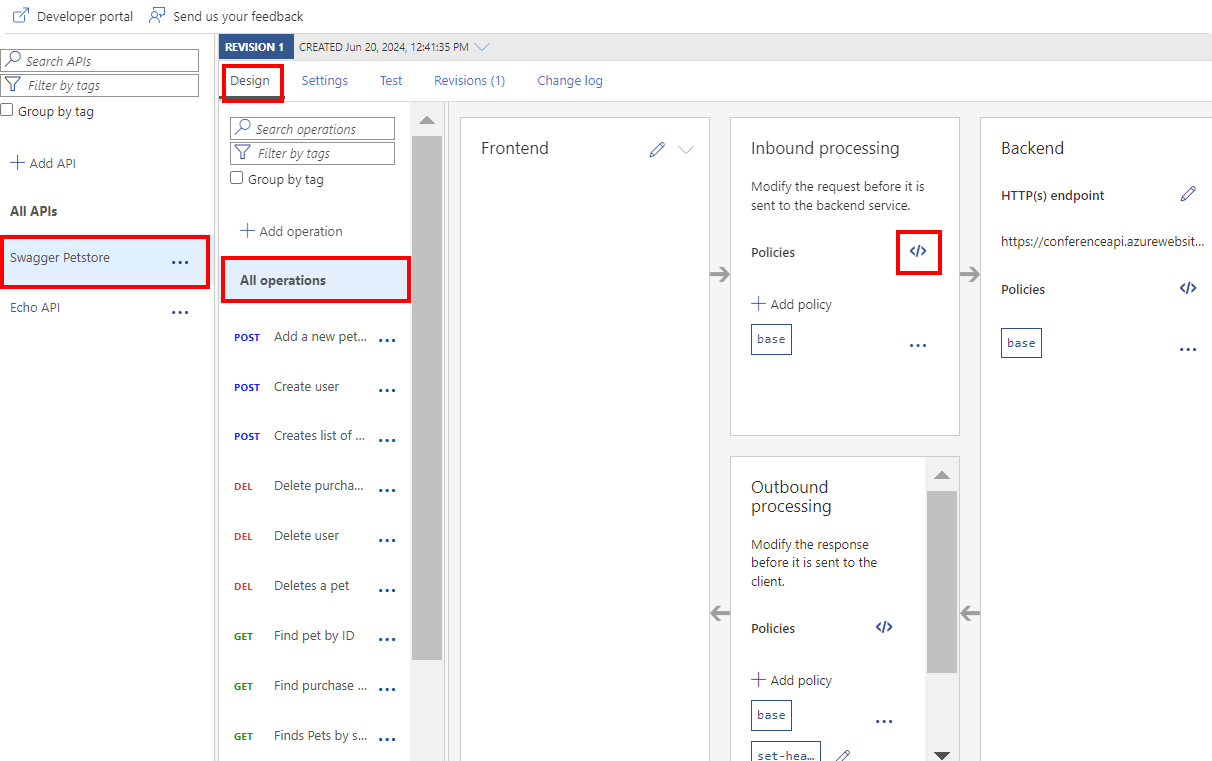
Inbound Policy Code Editor

Inbound Policy Code Editor

The policy editor controls how requests are authenticated, transformed, throttled, routed, and sent to back-end APIs. Source
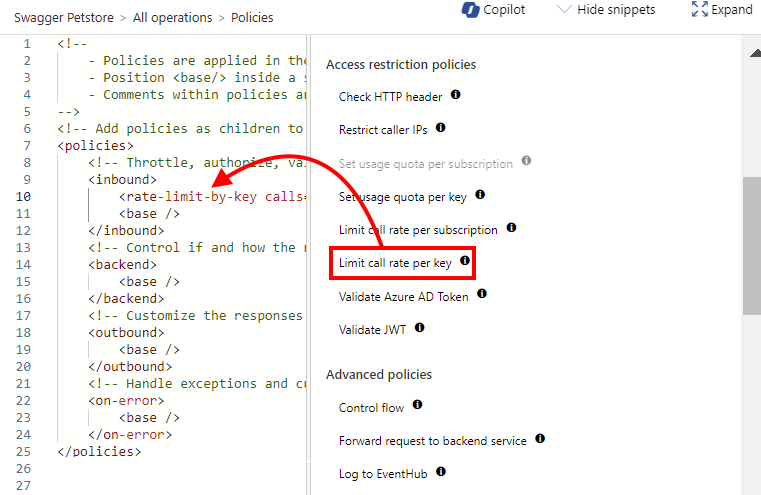
Rate Limiting Policy

Rate Limiting Policy

Rate-limit policies protect source APIs by controlling how often consumers, automations, or apps can call an endpoint. Source
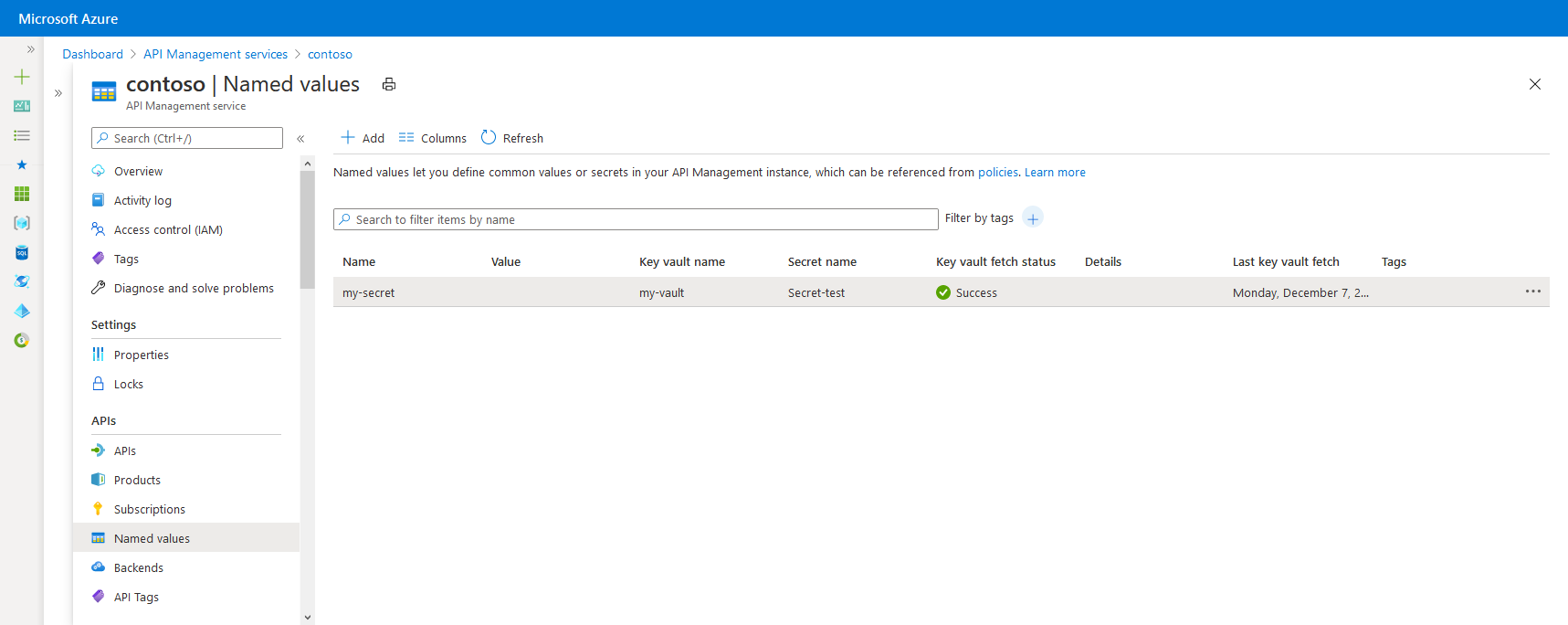
Named Values and Secrets

Named Values and Secrets

Named values allow APIM policies to reuse constants, secrets, and Key Vault-backed configuration values. Source
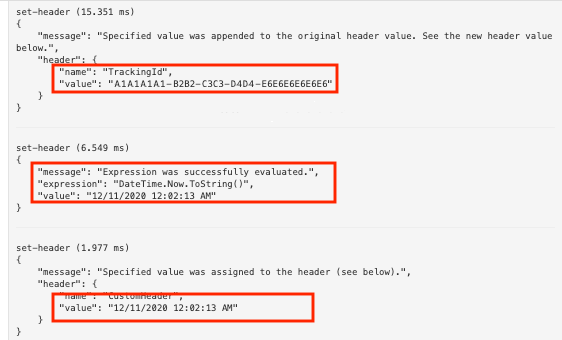
API Inspector Trace

API Inspector Trace

API traces help troubleshoot requests, inspect policy execution, and understand the behavior of API calls end-to-end. Source

Business Value

  • Standardized and secure access to source-system APIs.
  • Less point-to-point integration complexity across apps, automations, dashboards, and models.
  • Better governance through policies, subscriptions, authentication, logging, and monitoring.
  • Reusable API endpoints that can support reporting, AI, ML, operations, and decision automation.
  • Improved traceability from source API call to dashboard, prediction, alert, or learning outcome.

Example Architecture Flow

  • Source system exposes data through an API.
  • Azure API Management secures, documents, and governs the API.
  • Automation calls APIM to retrieve specific records on a schedule or event trigger.
  • Data lands in Azure SQL, Cosmos DB, PostgreSQL, or a lakehouse for analytics and learning.
  • Power BI, ML Studio, decision tables, alerts, and AI agents use the curated results.
Back to Capabilities