Enterprise automation using Robotic Process Automation, Process Mining, Logic Apps, Power Automate, automated agents, triggers, schedules, alerts, and workflow orchestration to reduce manual effort and accelerate decisions.
Automations connect people, systems, APIs, databases, dashboards, and AI into repeatable workflows. Evolvement LLC designs automation patterns that can start from events, schedules, user actions, API calls, SQL changes, model outputs, or business rules.
This page is ready for future demos showing RPA bots, process maps, Logic Apps, flow run history, agent workflows, Teams alerts, SQL-triggered automations, and dashboard refreshes.
The screenshots below are included locally in this package so they will render correctly from your website without relying on external image links.
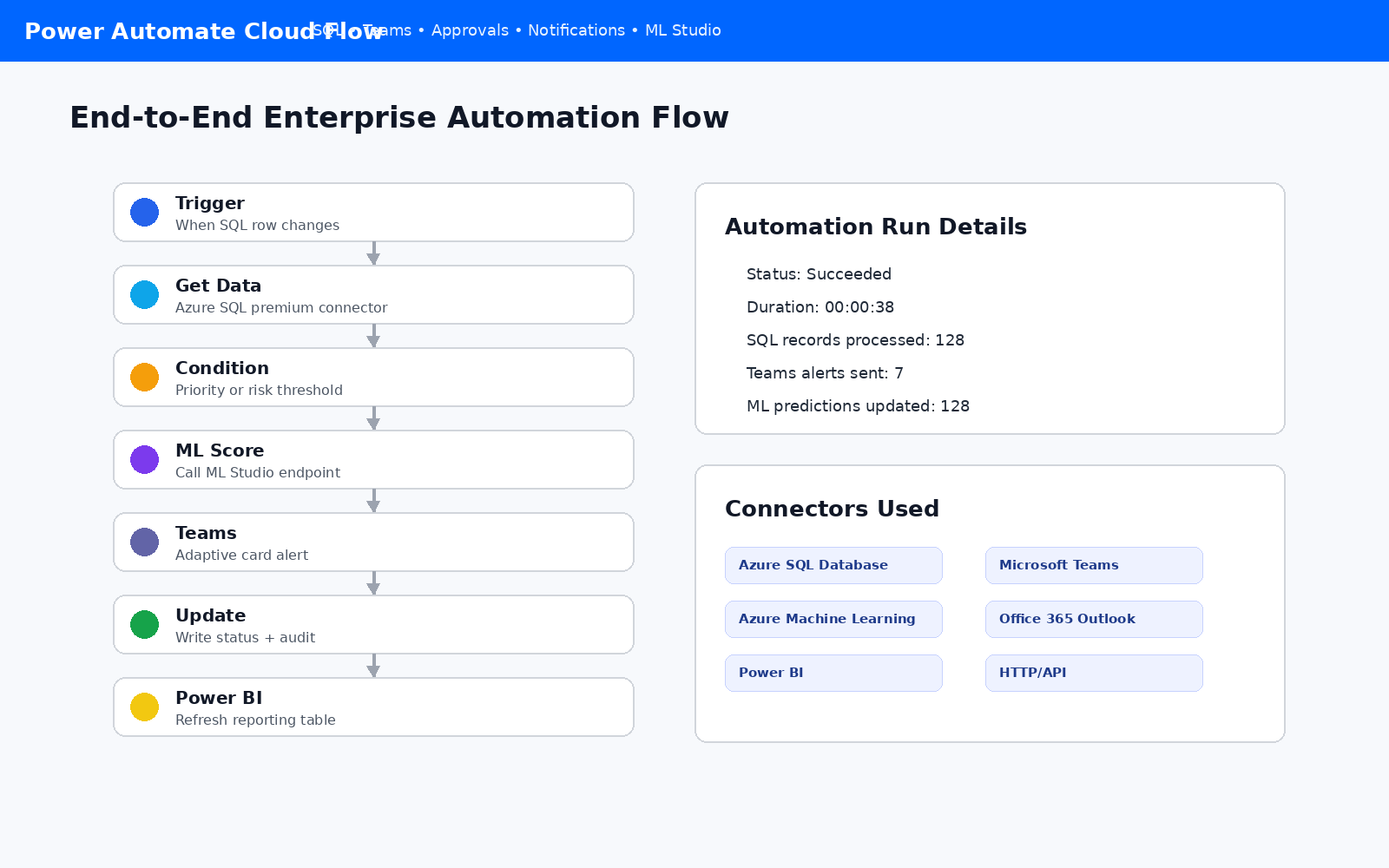
End-to-end workflow using SQL triggers, ML scoring, Teams alerts, audit updates, and Power BI refreshes.
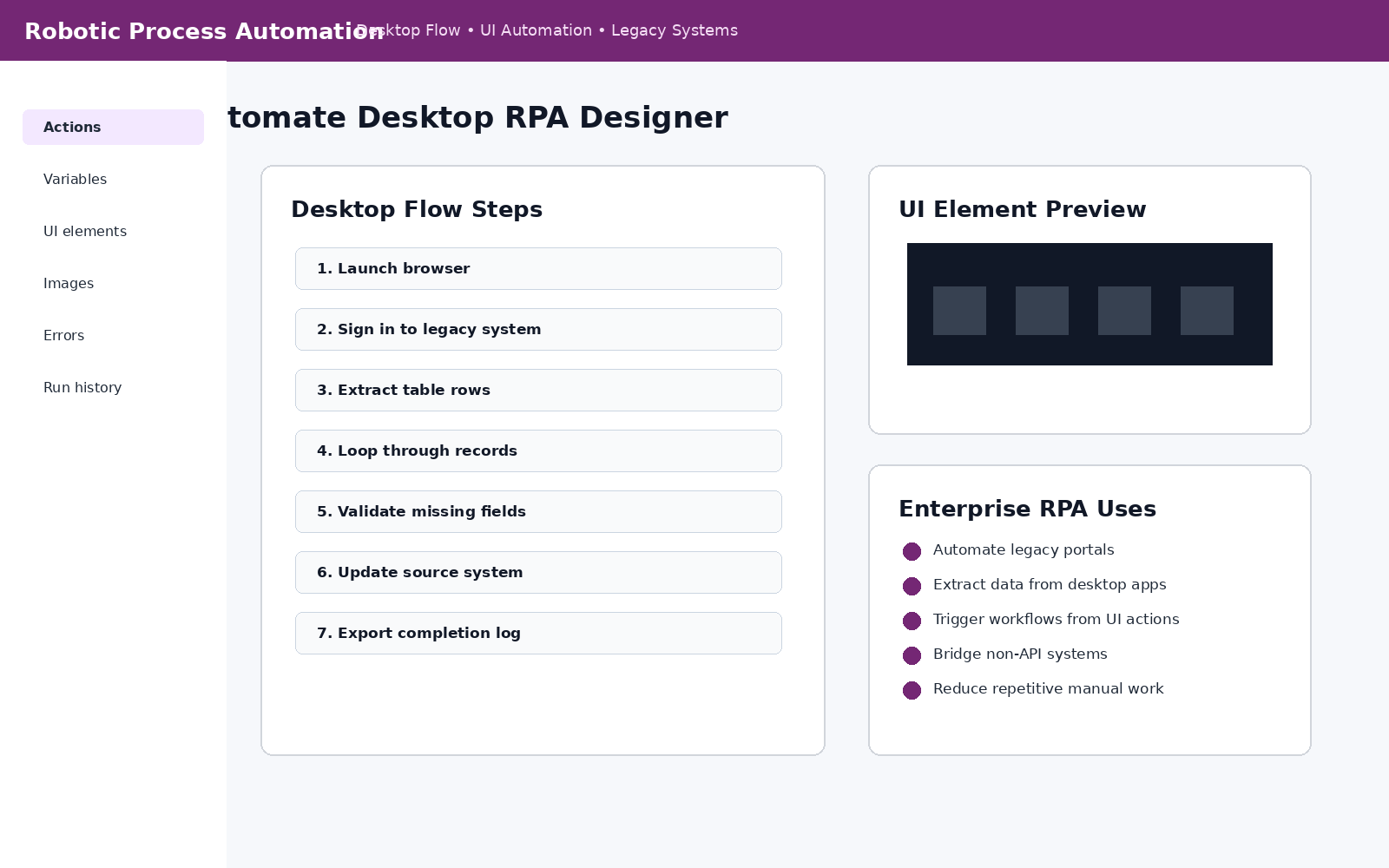
Desktop flow pattern for automating legacy systems, browser actions, table extraction, and repetitive UI tasks.
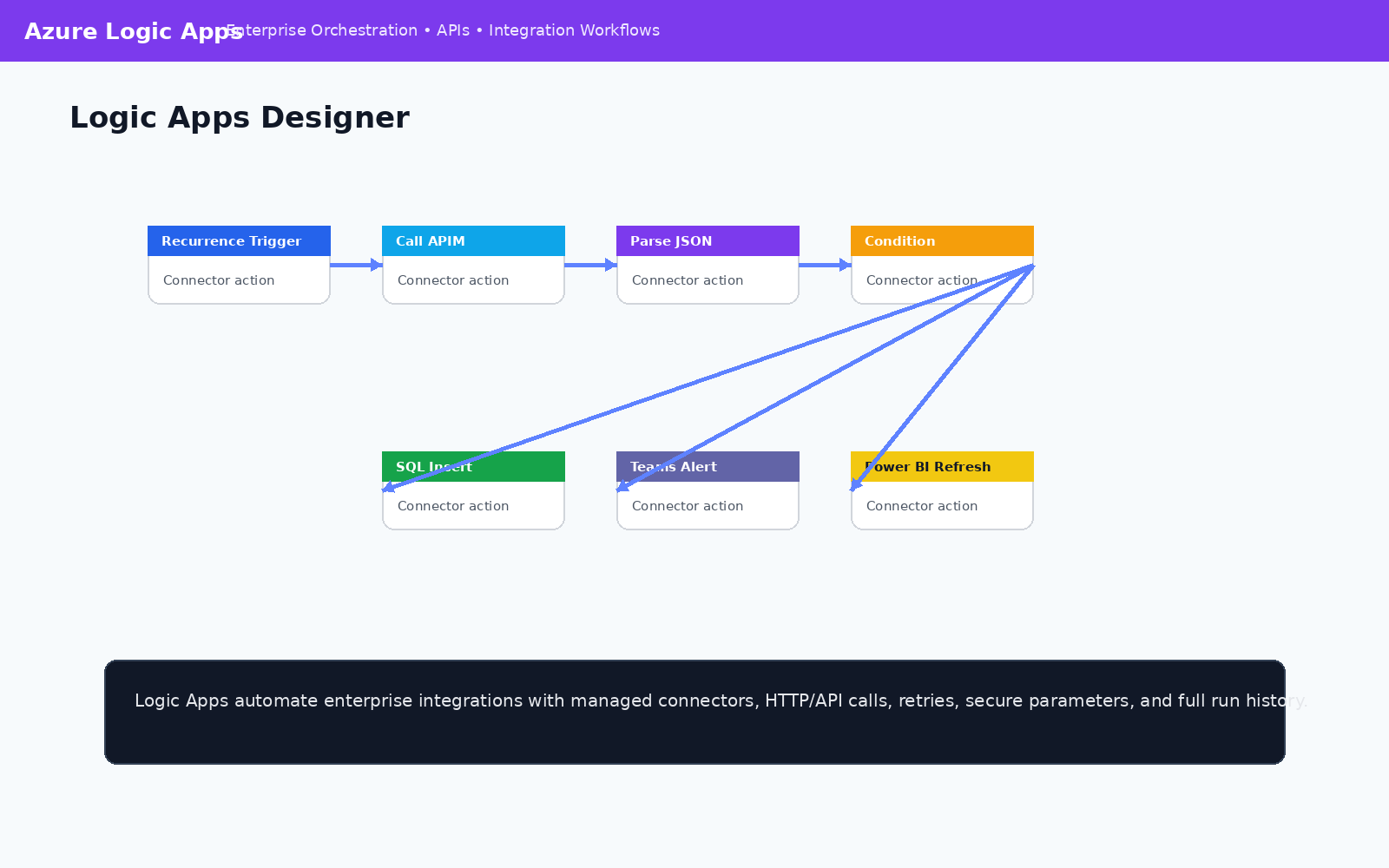
Enterprise orchestration connecting triggers, APIM, JSON parsing, SQL inserts, Teams alerts, and Power BI refreshes.
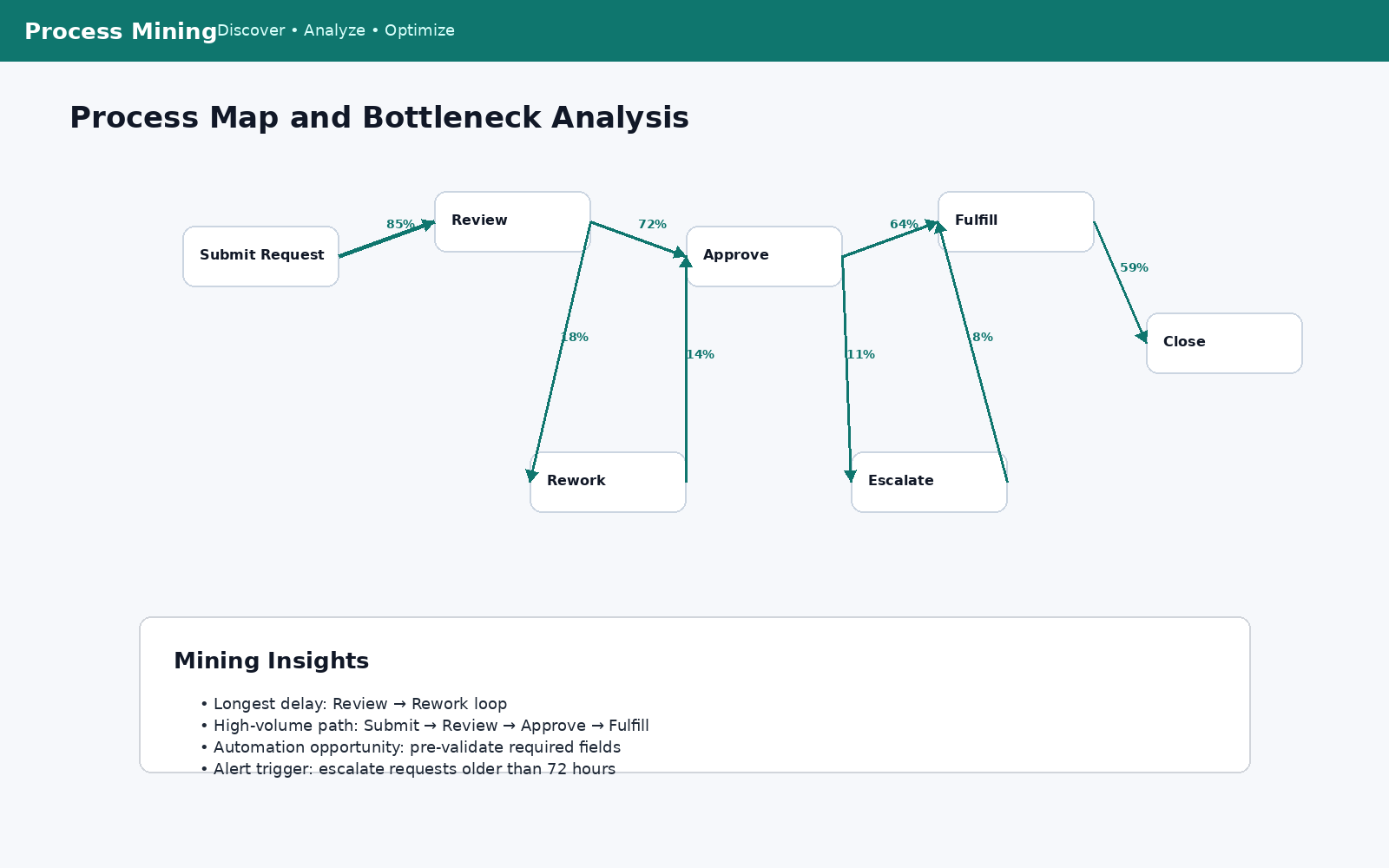
Process map showing real workflow paths, rework loops, bottlenecks, and opportunities for automation.
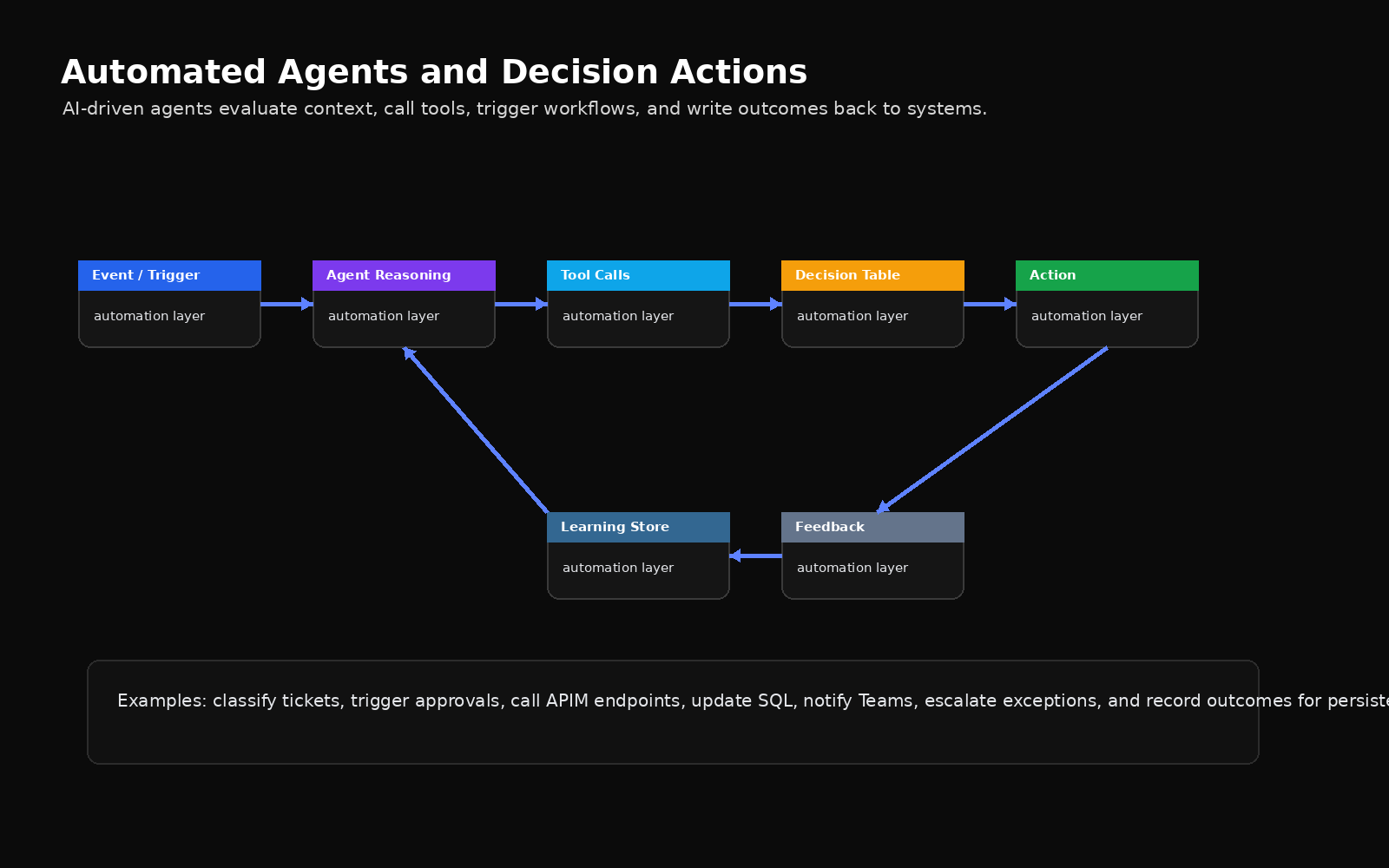
Agent workflow that evaluates events, calls tools, uses decision tables, triggers actions, and records feedback.
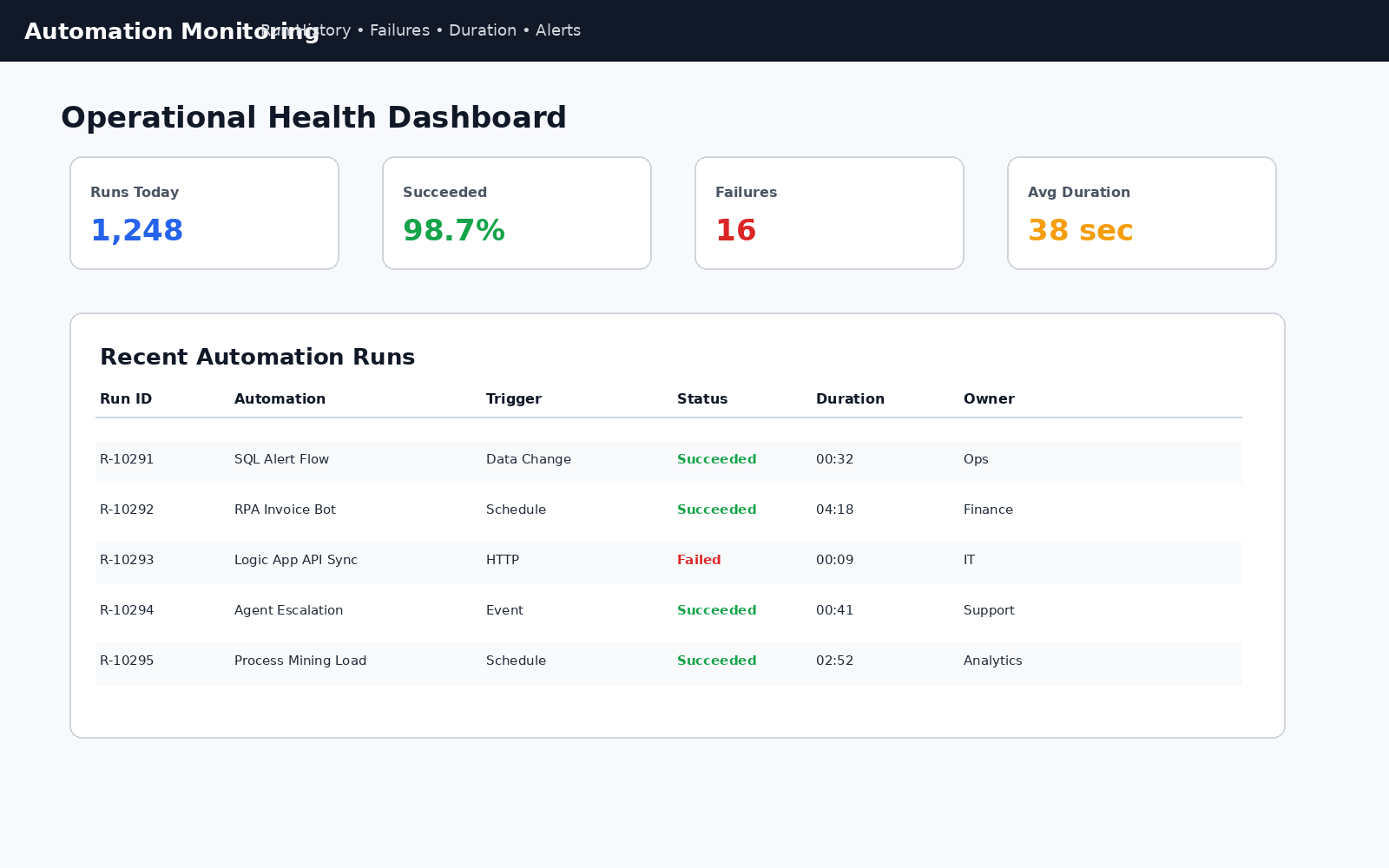
Operational monitoring for run status, duration, failures, owners, alerts, and automation health.
Events, schedules, API calls, SQL changes, emails, files, approvals, and alerts.
Power Automate, Logic Apps, workflows, conditions, loops, retries, and approvals.
Desktop flows, browser automation, legacy apps, UI actions, and file processing.
Classify events, call tools, check rules, trigger actions, and learn from outcomes.
SQL updates, Teams alerts, dashboards, reports, ML scoring, and audit history.
This pattern gives organizations an execution layer that can start from any business event, run repeatable logic, interact with modern and legacy systems, notify the right people, and write outcomes back to data stores for reporting and persistent learning.